Printify vs Printful in 2026: They're the Same Company Now
Search "Printify vs Printful" and almost every result still frames them as rivals. Here's the thing most of those articles miss: as of 2026, they're owned by the same company. The two biggest names in print on demand merged, now sit under one parent brand called FYUL, and Printful is even listed as a print provider inside Printify's own network. So the real question for a seller in 2026 isn't "which company wins" — it's "which of these two sibling products fits the store you're building." This guide answers that with current pricing, the parts that genuinely still differ, and evidence from real stores in our directory that use each one.
Key takeaways
- Printify and Printful merged in late 2024 and now operate under one parent, FYUL, rebranded December 2025. Both products still run separately — separate accounts, catalogs and pricing, no forced migration.
- The pricing has flipped. Printful's only paid plan, Growth, is $24.99/month. Printify's Premium rose to $39/month on 17 February 2026 (or $299/year, which works out to $24.99/month on annual billing).
- Printify is a network — the widest catalog and the most print locations, through independent providers. Printful owns its factories — fewer products, but tighter quality control, stronger branding options and embroidery.
- In our directory, 17 stores use Printify, 20 use Printful, and 7 use both at once — the clearest sign this isn't really an either/or decision.
- Pick on catalog breadth and lowest price (Printify) versus consistency and branding control (Printful) — not on brand loyalty, because the brands now share an owner.
They're the same company now: the FYUL merger
This is the fact that reframes the whole comparison. Printful and Printify — for years the two fiercest competitors in print on demand — merged in late 2024 and, on 8 December 2025, rebranded their parent company as FYUL (a name stitched from the ends of Printi-fy and Print-ful, pronounced "fuel"), which also absorbed the enterprise fulfillment business Snow Commerce. The joint company is led by CEO Alex Saltonstall.
Crucially, FYUL kept both products alive and separate. Printful and Printify each keep their own websites, dashboards, seller accounts, catalogs and pricing, and there is no forced migration — if you run a store on one, nothing about your setup changed overnight. The tell that most sellers miss: Printful now appears as a US print provider inside Printify's provider network, which is only possible because they're on the same side of the table.
What the merger changes for you (and what it doesn't)
Operationally, almost nothing changed. You still sign up for one or the other (or both), connect your store, and pay per order. The catalogs, the integrations and the fulfillment pipelines all work the way they did before.
Strategically, one thing did change, and it's worth keeping in mind: the competitive pressure that kept these two undercutting each other for a decade is gone. When rivals become siblings, the incentive to win on price softens. That's the lens to read the 2026 pricing changes through — and the reason to lock in whichever plan structure suits you rather than assuming the old race-to-the-bottom will continue.
Printify vs Printful pricing in 2026
This is where the story gets genuinely useful, because the long-standing assumption — that Printify is always the cheaper option — no longer holds on month-to-month billing. Here's the current picture, verified in late August 2026. Always re-check both pricing pages before you commit, since these numbers move.
| Plan | Printify | Printful |
|---|---|---|
| Free plan | Yes — up to 5 stores, no product discounts | Yes — full catalog, up to 10 store connections, 20% off samples |
| Paid plan | Premium — $39/month, or $299/year ($24.99/mo on annual billing) | Growth — $24.99/month (the only paid tier) |
| Product discount on paid | Up to ~20% off base costs | Up to 33% off base costs, plus 9% off branding |
| Paid stores/connections | 10 stores | Included on all tiers |
| Enterprise | Custom pricing | Custom pricing |
| Free-at-volume | — | Growth is free for 12 months after $12,000 in yearly sales |
Two things stand out. First, Printify raised Premium from $29 to $39 a month on 17 February 2026 — a 34% jump — while holding the annual price at $299. So Printify only matches Printful's $24.99 if you pay a year up front; month-to-month, Printful is now cheaper. Second, the discount depth favours Printful on paper: up to 33% off base costs versus roughly 20% on Printify Premium, plus Printful's branding discount. The catch is that Printify's base prices start lower on many items because of its provider competition, so the "who's actually cheaper per shirt" answer still depends on the specific product — which is exactly why you should price a real order on both before deciding.
Where they still genuinely differ
Same parent, but two very different models underneath — and this is what your choice actually comes down to.
Printify: the network
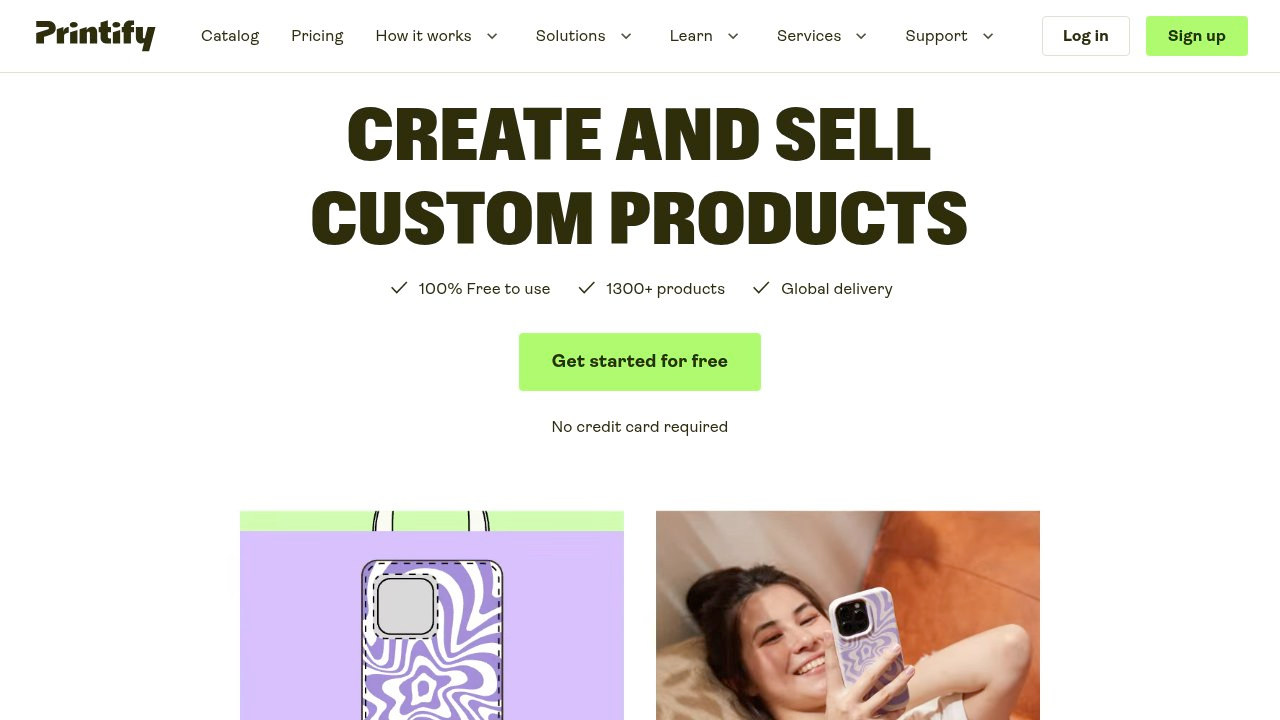
Printify is a marketplace. It connects you to a large network of independent print providers around the world, which gives it two structural advantages: the widest catalog in the category (well over 1,000 products) and the most print locations, so you can often route orders closer to the customer. Because providers compete for your orders, base prices on common items tend to be low. The trade-off is consistency: two providers printing the "same" product can differ slightly in quality, colour and turnaround, so sellers who care about a uniform result tend to pick one provider and stick with it.
Printful: the factory
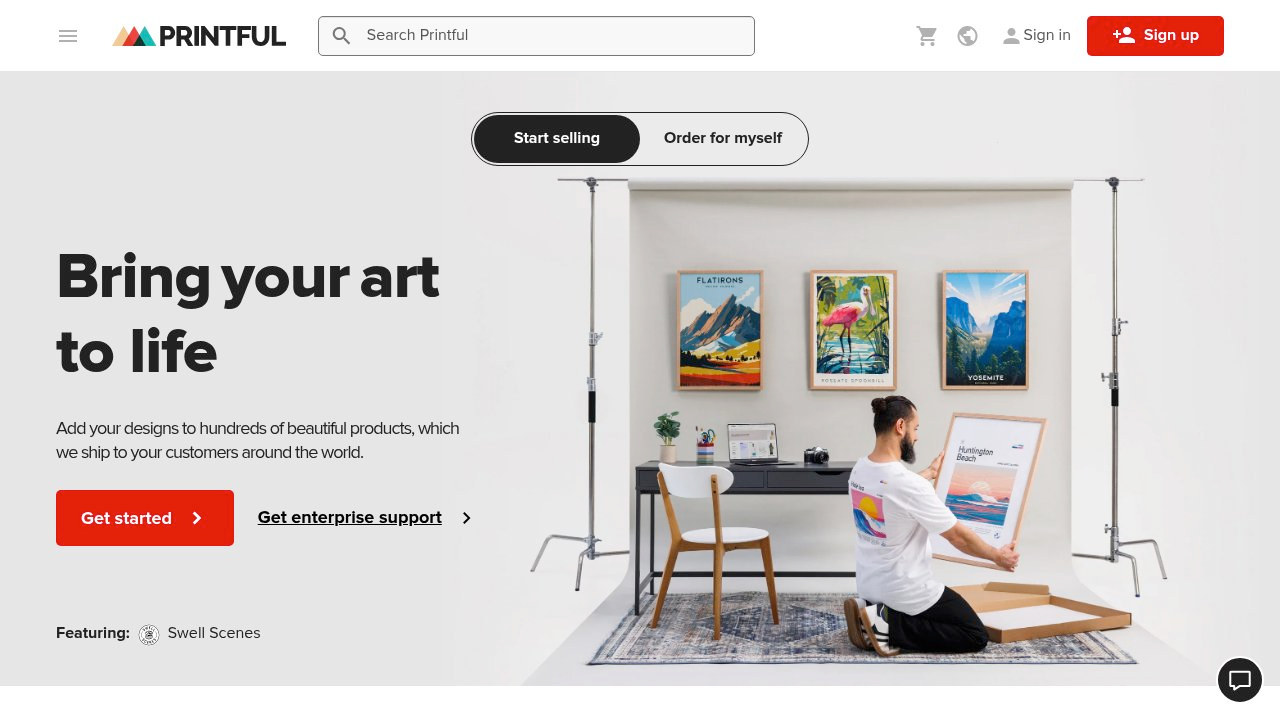
Printful owns and operates its own fulfillment facilities. The catalog is smaller (roughly 450+ products), but everything runs through Printful's own quality control, which is why it's the go-to for sellers who want a consistent, branded, premium result. Printful is stronger on the things that make a store feel like a real brand: custom labels and branded packaging (with that 9% branding discount on Growth), embroidery, all-over printing, and a deep set of native store integrations. If your product is your brand, that control matters.
The short version: choose Printify for catalog breadth, price and print locations; choose Printful for consistency, branding and embroidery.
What real stores actually do
Theory is one thing; here's what sellers in the BestPODStores directory chose. Across the index, 17 stores run on Printify, 20 on Printful, and 7 use both providers at once — and that last number is the most revealing.
Stores using Printify
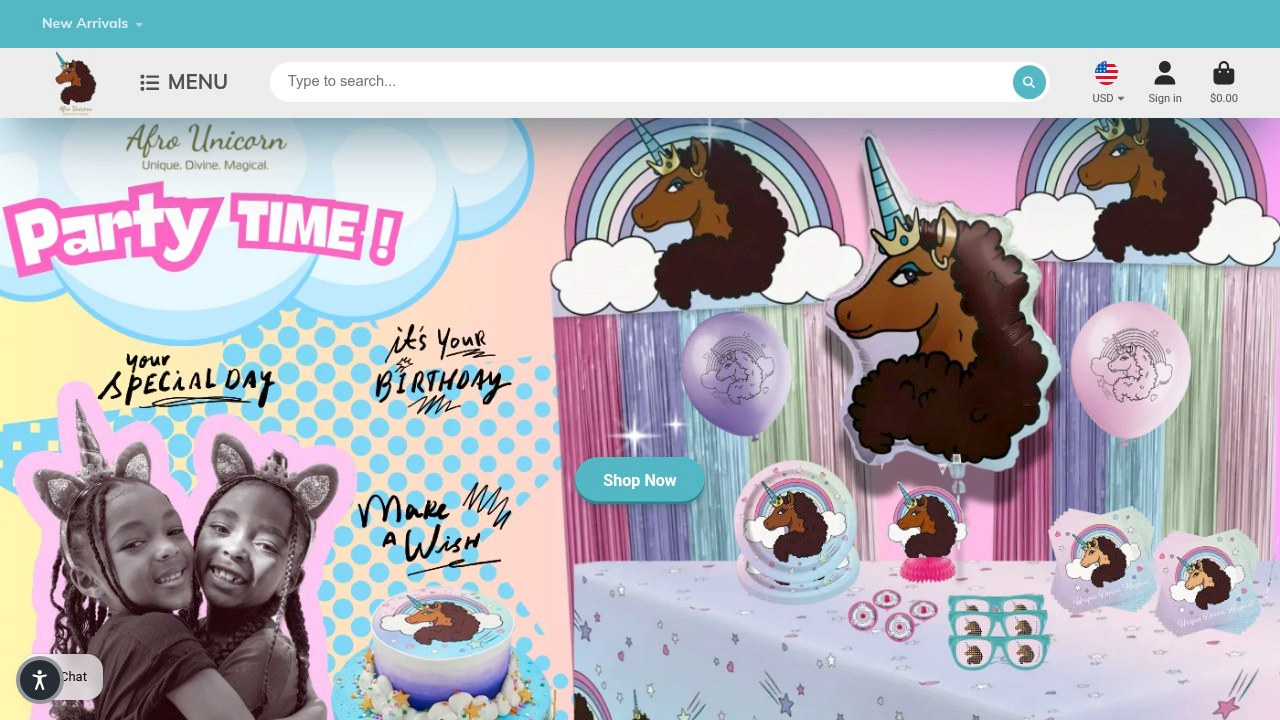
The Printify cohort skews toward broad catalogs and identity niches. Afro Unicorn started as a Printify POD shop and became the first Black woman-owned licensed character brand in major US retail. La Moda Merch uses Printify to move fast on trend-reactive Etsy drops, and Dumbclub turned a TikTok channel into a single-hero-product hoodie brand on it. The pattern: Printify's catalog and price suit stores that test a lot of designs or span many product types.
Browse all Printify stores in the directory →
Stores using Printful
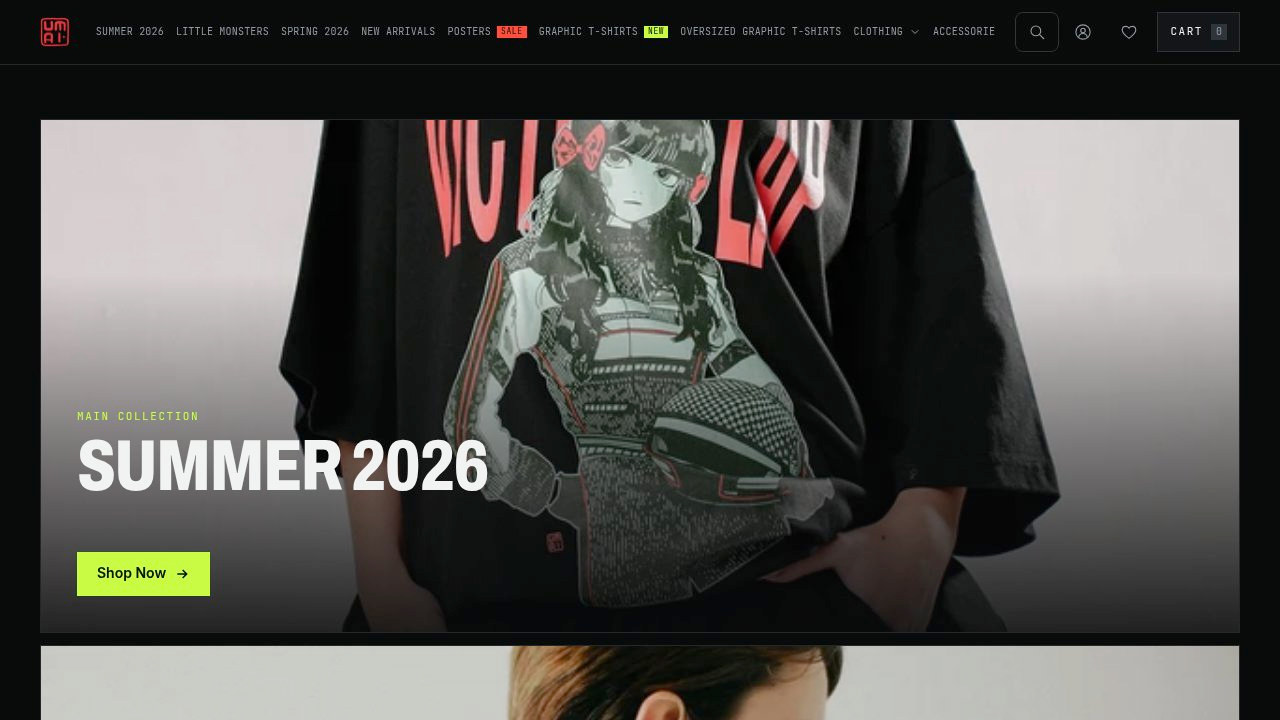
The Printful cohort leans toward brand-led apparel where consistency and finish matter. UMAI Clothing scaled an anime-streetwear label worldwide on Printful with zero inventory, FIERCEPULSE runs 900+ all-over-print activewear styles made to order through it, and mission brands like StomaStoma and The Happy Givers rely on its consistent output. The pattern: Printful suits stores where the garment and the branding are the product.
Browse all Printful stores in the directory →
The 7 stores that use both
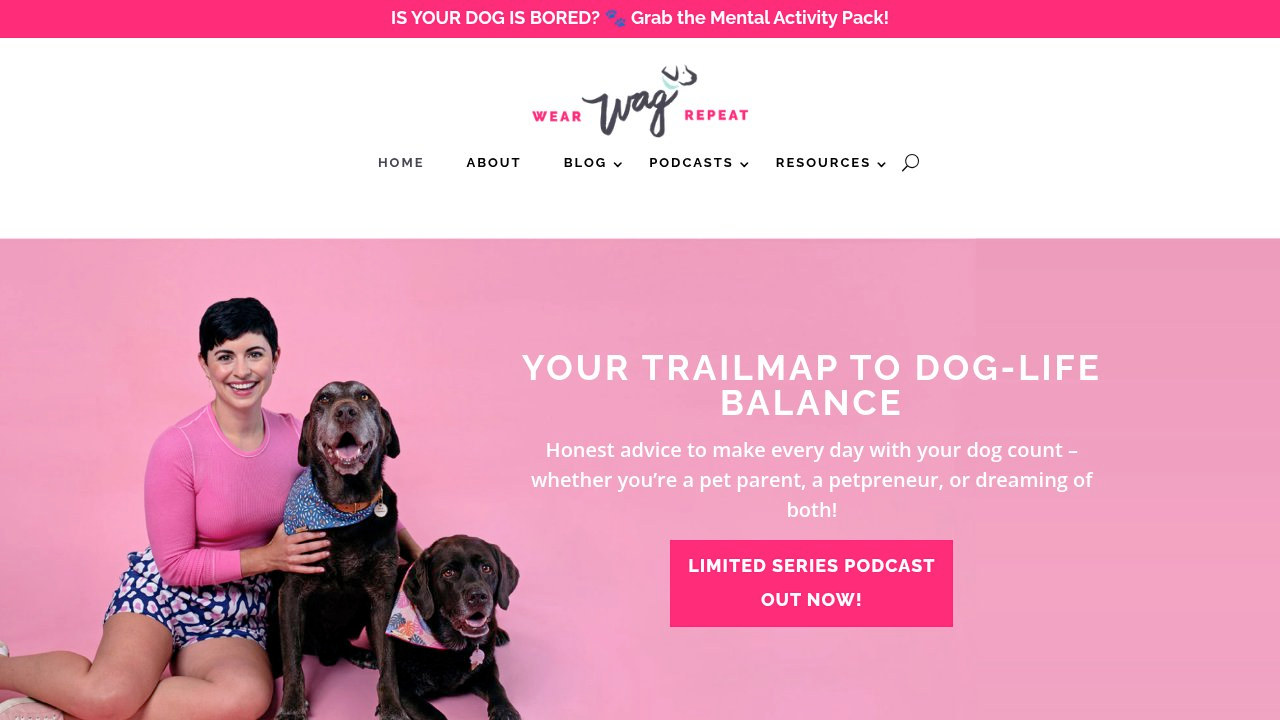
Seven stores don't choose at all: Wear Wag Repeat, Rainbow & Co, I Like Maps, House of Chingasos, Jolie Noire, The Classic Dad and Chicken Happy Hour all run both providers side by side. Multi-sourcing is a risk-management move: it lets a store pick the cheaper or better provider per product, keep printing if one has a stockout, and route orders by geography. Now that both brands share a parent, running both is less a hedge against a rival and more a way to use the full FYUL catalog through two front doors.
Which should you choose?
Here's the decision, stripped down:
Choose Printify if you want the widest catalog, the lowest base prices, and print locations close to your customers; you test many designs or sell across many product types; and you're comfortable standardising on one provider for consistency. Pay annually ($299) to get the $24.99/month rate.
Choose Printful if your store is a brand first — you want consistent quality, custom labels and packaging, embroidery or all-over printing — and you'd rather pay $24.99/month with no annual commitment and grow into the free-at-$12k threshold.
Consider both if you've outgrown a single provider: use Printful for your hero, branded products and Printify for the long tail and for regional routing. Seven stores in our index already do exactly this.
What shouldn't drive the decision anymore is brand rivalry. They're the same company; pick the model, not the logo.
Frequently asked questions
Are Printify and Printful the same company?
Yes, as of 2026. They merged in late 2024 and operate under a shared parent, FYUL, which rebranded in December 2025. Both products still run separately, with their own accounts, catalogs and pricing.
Is Printify or Printful cheaper in 2026?
On monthly billing, Printful's Growth plan ($24.99/month) is cheaper than Printify Premium ($39/month). They tie at $24.99 only if you pay Printify annually ($299/year). Per-item cost still varies by product, so price a real order on both.
Did Printify raise its prices?
Yes. Printify increased Premium from $29 to $39 per month on 17 February 2026, while keeping the annual price at $299. Existing annual subscribers were grandfathered.
Can I use Printify and Printful together?
Yes, and seven stores in our directory do. Running both lets you choose the better provider per product and keep fulfilling if one has a stockout. Many sellers connect both to the same Shopify store.
Which is better for a clothing brand?
Printful, generally, because it owns its facilities and offers branding, custom labels and embroidery for a consistent, premium result. Printify wins when catalog breadth and lowest price matter more than uniform finish.
Do I have to migrate now that they've merged?
No. There's no forced migration. If your store runs on one platform, nothing changes unless you decide to switch or add the other.
Browse print-on-demand stores by fulfillment
The best way to decide is to see who uses what. Browse Printify stores and Printful stores in the directory, or explore the full POD store index to filter by niche, products, platform and fulfillment and find real examples worth borrowing from. New to choosing a provider? Start with our guide to the best POD niches for beginners.