13 Trending Print-on-Demand Niches to Explore in 2026 (With Real Store Examples)

Looking for trending print-on-demand niches to build a store around in 2026? Most lists you'll find are guesswork: a writer brainstorms categories, pulls a market-size number from a press release and calls it a trend. This one is different. We went through the 260-plus stores in the BestPODStores index, looked at which niches keep producing real, growing brands, and picked the 13 where the evidence is strongest right now. Every niche below comes with at least one live store you can study, the products that actually sell in that space, and one idea worth borrowing for your own shop.
If you're brand new to print on demand, you may also want our beginner's guide to POD niches first. This article is the next step: where the momentum is in 2026, and who is already winning there.
Key takeaways
- The trending POD niches of 2026 are identity niches, not product niches. Winning stores sell "dog parent," "introvert," "Chicano," or "ballplayer" first, and the t-shirt second.
- The fastest-growing brands in our index pair a narrow audience with a broad catalog: one tribe, twenty product types.
- Humor, pets, fandom and outdoor lifestyle are the deepest niches in the directory and the most forgiving for beginners.
- Mental health, Pride, cultural identity and eco-conscious products are growing because buyers want to wear values, not just graphics.
- Limited drops, mascots and community programs show up again and again in the stores that outgrow Etsy and Printify and go in-house.
What counts as a "trending" print-on-demand niche?
A print-on-demand niche is the specific audience or theme your store serves, such as dog owners, anime fans, hikers or nurses, rather than the product you print it on. A niche is "trending" when demand is growing faster than the supply of good stores serving it. That gap is where a new seller can still get noticed without a big ad budget.
We judged trend strength on three signals: whether new stores in the niche keep appearing in our submissions, whether existing stores are expanding their catalogs (a sign that repeat buyers exist), and whether the niche lines up with wider consumer shifts, such as the move toward personalization, nostalgia and sustainability that Printify's 2026 trends report documents. Market-size numbers are useful context, but a live store with a growing product range is better proof than any forecast.
The 13 trending POD niches of 2026 at a glance
| # | Niche | Why it's trending | Products that work | Store to study |
|---|---|---|---|---|
| 1 | Dog parents and pet lovers | 95M US pet households; breed-level identity | Tees, hoodies, mugs, bandanas | Wear Wag Repeat |
| 2 | Humor and statement tees | Brand voice beats design skill | Text tees, totes, stickers, cards | Boredwalk |
| 3 | Anime, gaming and geek culture | Fandoms buy collectibles, not basics | Tees, pins, keychains, posters | UMAI Clothing |
| 4 | National parks and outdoor lifestyle | Place-based pride, gift-friendly | Posters, tees, hats, tumblers, patches | The Landmark Project |
| 5 | Pride and LGBTQ+ identity | Year-round, 40+ identity sub-niches | Tees, pins, totes, mugs | Rainbow & Co |
| 6 | Mental health and positivity | Wearable values, high gift rate | Hoodies, sweatshirts, stickers, posters | Self-Care Is For Everyone |
| 7 | Wall art and posters | Fastest-growing POD category | Posters, framed prints, metal prints, canvas | Displate |
| 8 | Sports lifestyle (baseball) | "Off-the-field" culture, not team logos | Tees, hats, hoodies, prints | Baseballism |
| 9 | Pop culture and trend-reactive drops | TikTok speed, zero ad spend | Tees, sweatshirts, hats | La Moda Merch |
| 10 | Retro and vintage Americana | Nostalgia is a 2026 design driver | Distressed tees, hats, prints | Solid Threads |
| 11 | Cultural identity and heritage | Under-served communities, loyal buyers | Tees, hoodies, caps | House of Chingasos |
| 12 | Kids and family | All-over print, gift-driven, repeat sizes | Kids tees, leggings, bedding, posters | Afro Unicorn |
| 13 | Eco-conscious products | Buyers pay more for sustainability | Organic tees, totes, compostable cases | Pela Case |
1. Dog parents and pet lovers
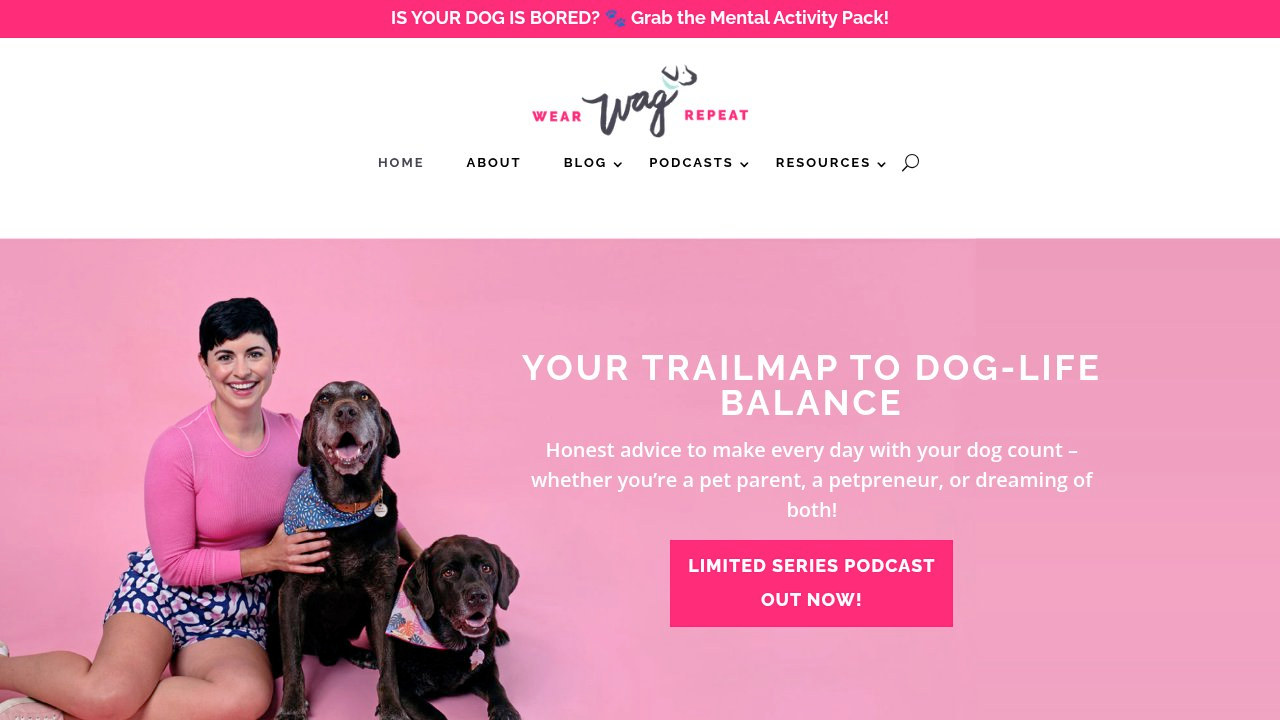
Pets remain the single most reliable print-on-demand niche, and 2026 is no exception. The American Pet Products Association's 2025 National Pet Owners Survey counts 95 million US households with a pet and $158 billion in annual pet spending. What's changed is how narrow the winning stores have become. "Dog lover" is no longer a niche; "Frenchie mom," "rescue dad," and "beer-drinking dog parent in Nashville" are.
Wear Wag Repeat is a clean example of the modern pet POD store: relatable dog-parent humor and breed-specific designs on tees, tanks and hoodies, fulfilled through Printful and Printify on Shopify. Luv the Paw shows what the next stage looks like. The Nashville brand mixes witty apparel with physical pet toys and treats, gives a portion of every sale to rescues, sells at Tennessee festivals and has built a 4.9-star review base. Teddy the Dog proves a single mascot can carry an entire dog-humor catalog.
Products that work: graphic tees and hoodies for the human, plus bandanas, mugs and blankets for the home. Breed-specific collections outsell generic "I love dogs" designs.
Borrow this: Luv the Paw's giving-back page. A named rescue partner turns a $28 tee into a small act of charity, and it's the reason customers share the brand unprompted.
Browse dog lover stores in the directory → You can also read our full roundup of the best dog lover t-shirt stores.
2. Humor and statement tees
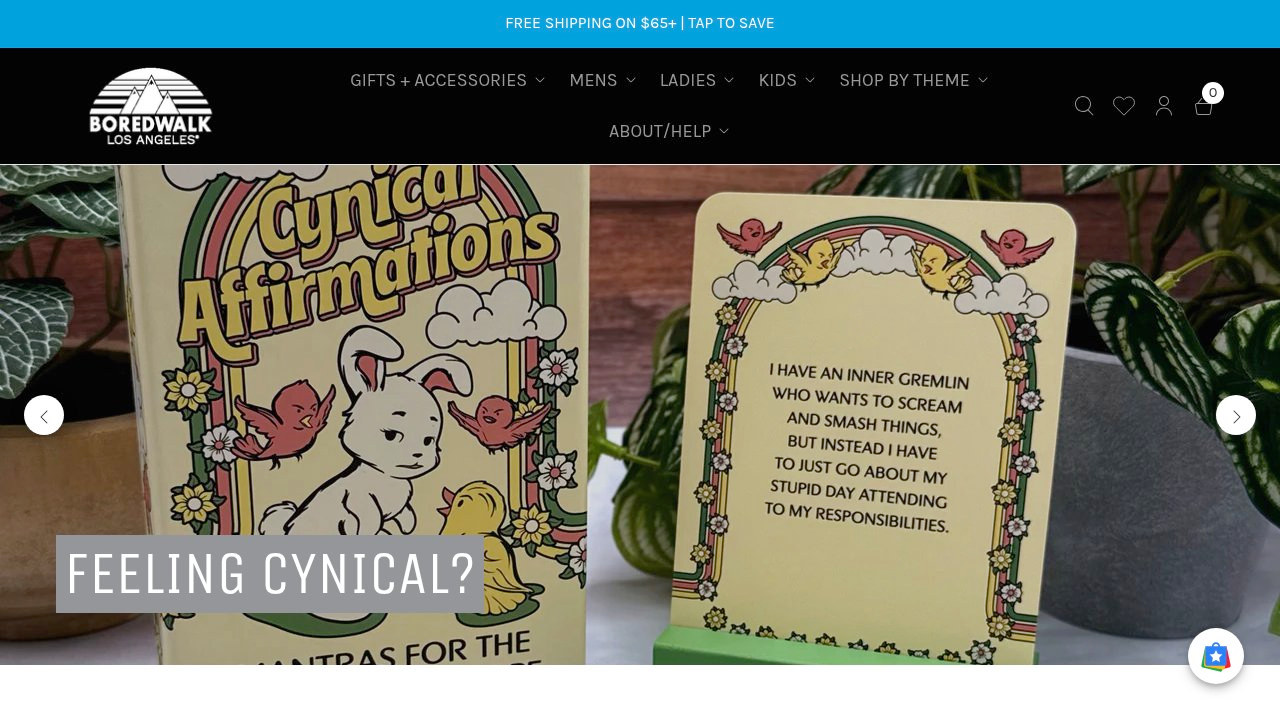
Humor is the biggest niche in our index for a reason: it rewards voice over illustration skill, and a good one-liner costs nothing to produce. What's trending in 2026 is persona-led humor. The stores that grow pick a very specific personality (the introvert, the snarky millennial, the dad at the grill) and write every design from that character's point of view.
Boredwalk, founded in 2014 by Matt Snow and Meredith Erin, hand-prints dark-humor and existential-dread slogan tees to order in its LA-area studio using water-based inks, and has extended the voice into activity books and conversation card decks. Stay Home Club, started in a Montreal apartment in 2012, is "a lifestyle brand for people with no life," selling screen-printed tees, enamel pins, patches, cards and blankets to self-aware introverts. RAYGUN scaled text-first Midwest-pride humor from Des Moines into a dozen physical storefronts, and The Classic Dad runs a tight dad-humor catalog on Printful and Printify backed by video content.
Products that work: text-driven tees, totes and stickers are the entry point; greeting cards, pins and card games are where humor brands widen their margin.
Borrow this: Boredwalk's theme-based collections. Grouping designs by mood ("existential dread," "feminist," "introvert") instead of by product type lets a buyer find ten shirts that sound like them in one click.
Browse humor stores in the directory →
3. Anime, gaming and geek culture
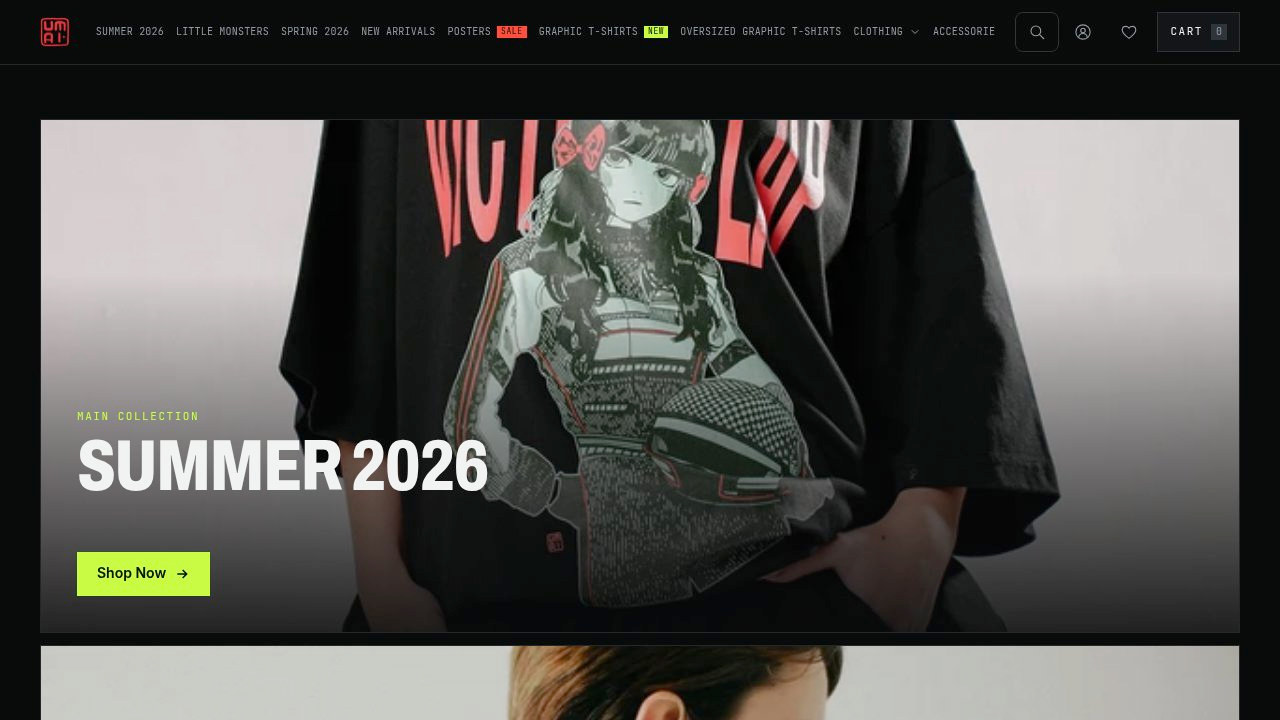
Fandom buyers are collectors. They don't want a basic tee with a logo; they want a character-driven piece that signals membership, preferably in a limited run. That makes anime and gaming one of the highest-margin trending niches of 2026, and one of the few where pins, keychains and standees sell as well as apparel.
UMAI Clothing is the textbook POD case: an artist-owned New York label built on original manga-style artwork, with tees, hoodies, joggers, hats and phone cases all printed on demand through Printful, so new designs launch worldwide with no inventory. SharkRobot produces official merch for webcomic, animation and gaming creators, often as pre-orders and limited runs. The Yetee drops a new limited-edition art tee every day with a countdown timer, and TeeTurtle grew from a 2012 design-contest win into plushies and the Unstable Games tabletop line.
Products that work: graphic tees and hoodies, enamel pins, keychains, stickers and posters. Original characters you own are safer, and more valuable long-term, than licensed references.
Borrow this: The Yetee's daily countdown. Scarcity turns a catalog into an event, and the store gets a reason to email its list every single day.
Browse anime stores → · Browse gaming stores →
4. National parks and outdoor lifestyle
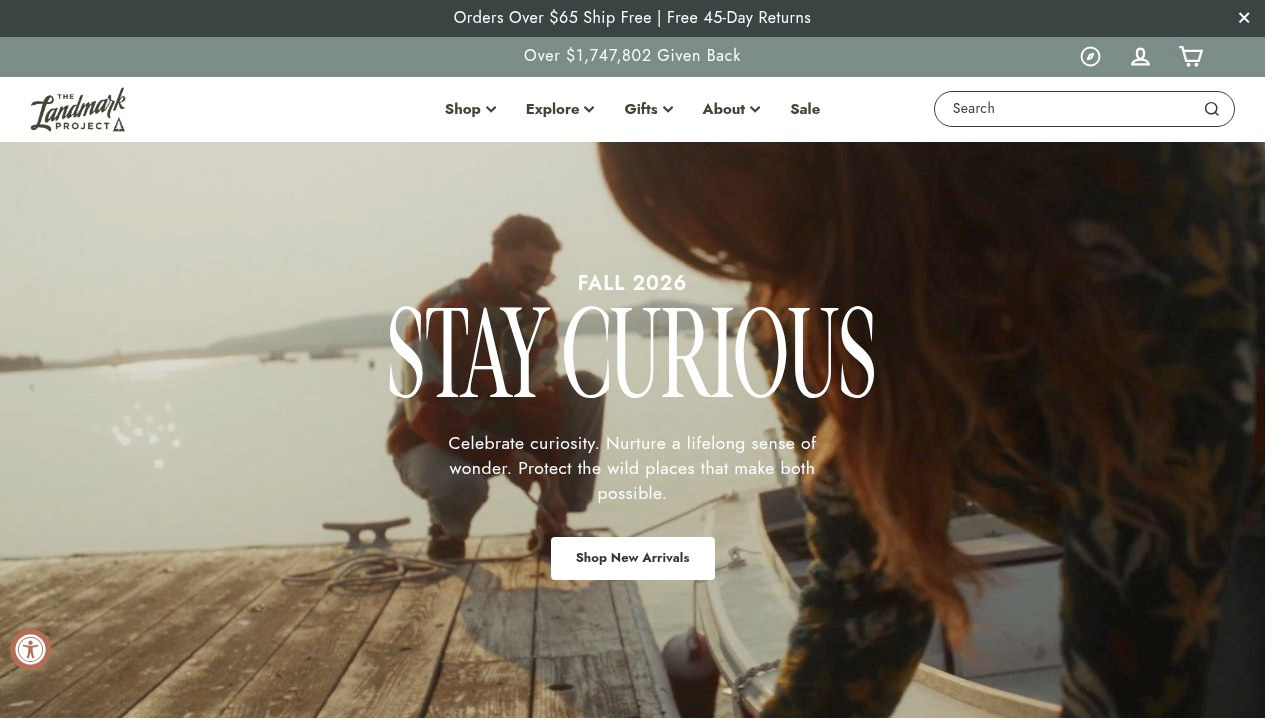
Outdoor is the niche where print on demand graduates into a lifestyle brand. Buyers here are loyal to places (a mountain, a park, a trail) and buy for gifts as often as for themselves. The 2026 trend is place-based identity: stores built around one region that happen to sell apparel.
The Landmark Project started as a Greenville screen-print shop in 2015 and now sells golden-age-of-travel park illustrations across tees, headwear, posters, patches, puzzles and drinkware, with 45 of the 63 US national parks illustrated so far. Timpanogos Hiking Co. built a Provo brand around a single mountain, a GOAT mascot, summit badges and an annual hiking challenge. Drink Coffee Do Stuff turned a Lake Tahoe coffee roaster into an outdoor wardrobe of retro mountain tees and mugs, and T-Shirt Bucket runs a simple Printful store of vintage fishing, farming and cabin-life graphics.
Products that work: posters first, then tees, hats, tumblers, patches and stickers. The same illustration can be reused across all of them, which is why this niche scales so well.
Borrow this: The Landmark Project's park-by-park catalog. One template, 63 variations, a built-in reason for customers to collect.
Browse national parks stores → · Browse outdoor lifestyle stores →
5. Pride and LGBTQ+ identity
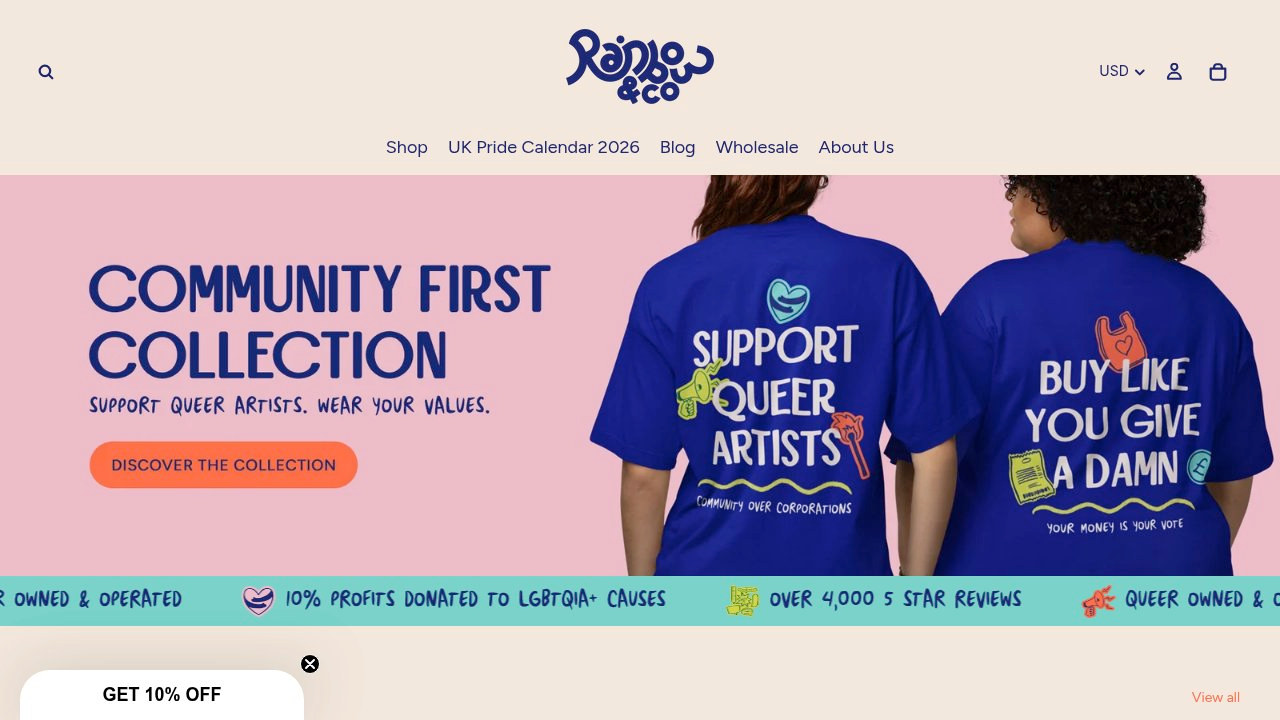
Pride used to be a June niche. In 2026 it's a year-round identity category with dozens of sub-niches, and buyers are actively looking for queer-owned brands rather than corporate rainbow merchandise. That shift is what makes it a trending niche for independent sellers specifically.
Rainbow & Co, a UK brand founded by trans and queer designer Adam, sells made-to-order pride apparel and accessories through Printful and Printify, donates 10% of profits to grassroots LGBTQIA+ causes, has more than 2,395 five-star reviews and takes a public stand against rainbow-washing. NerdyKeppie pairs LGBTQ+ identity with science and nerd culture on Printify, and Rainbow Certified in Ontario runs a broad accessory range of totes, belt bags, keychains, patches and pins.
Products that work: tees and sweatshirts, plus low-cost add-ons like enamel pins, badges, stickers and mugs that lift average order value.
Borrow this: Rainbow & Co's 40-plus identity navigation. Letting customers shop by their exact flag, and inviting them to suggest missing ones, is community co-creation that no big retailer can copy.
Browse LGBTQ+ stores → · Browse Pride stores →
6. Mental health and positivity
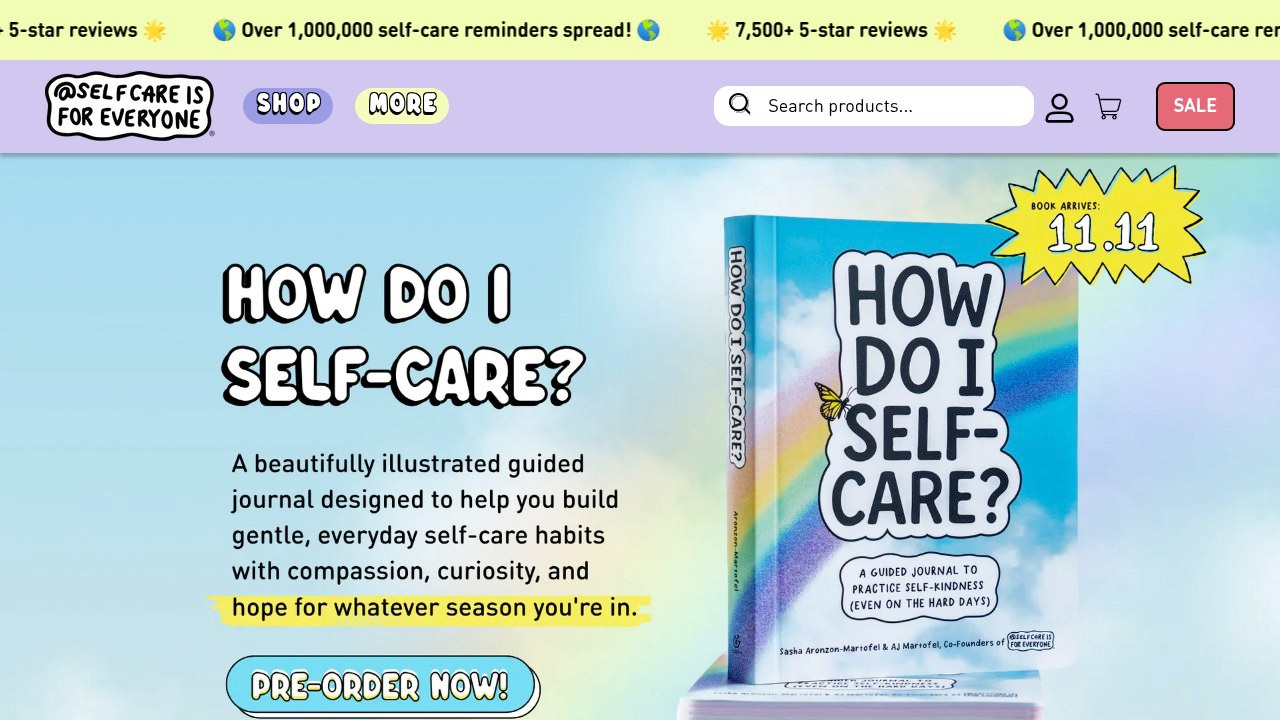
Mental health apparel is one of the clearest examples of the 2026 shift toward wearing values. Buyers want to signal openness about anxiety, therapy and self-care, and they buy these pieces as gifts for friends going through hard times. It is also a niche where a small Etsy shop can still break out.
FerrisBuilt is a women's-empowerment and mental-health Etsy store run on Printify by Lindsey Ferris, who started it after COVID-19 ended her 12-year event business; the shop gained global attention when Meghan Markle wore one of her designs. Self-Care Is For Everyone sells uplifting hoodies, sweatshirts and posters alongside digital support packs and says it has spread more than a million self-care reminders.
Products that work: soft hoodies and crewnecks (comfort is part of the message), stickers, posters and digital downloads.
Borrow this: Self-Care Is For Everyone's mix of apparel and digital products. A printable support pack costs nothing to fulfill and gives the brand a reason to exist beyond merch.
7. Wall art and posters
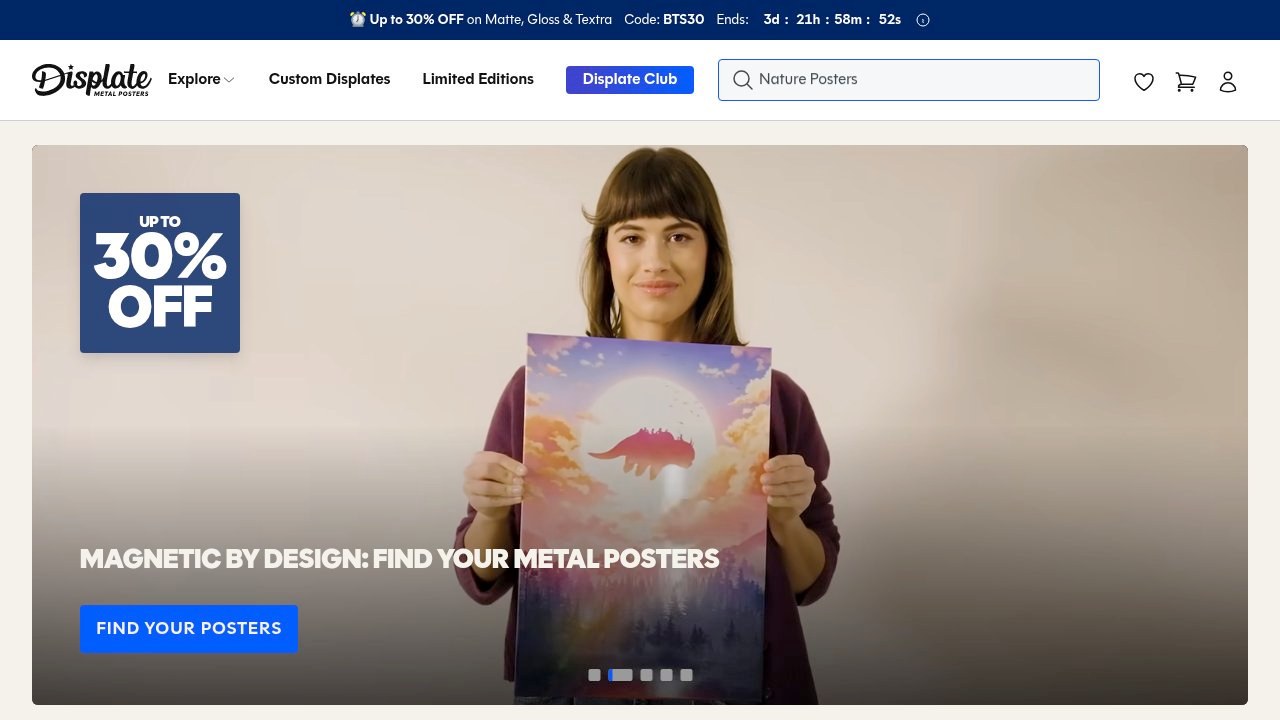
Home décor is the fastest-growing print-on-demand category according to the Grand View Research data cited in Printify's 2026 report, and wall art is where most of that growth lands. Posters have the best margin-to-shipping ratio of any POD product, and a single design can be sold in five sizes and three finishes.
Displate built an entire company on one product: magnet-mounted metal posters, with 2.5 million designs from 40,000-plus artists and 200-plus official licenses. At the other end of the scale, Swiss shops Plakativ and Art for You print local-artist posters on demand and pass 15% of each sale back to the artist. Australia's The Print Emporium sells curated gallery-wall sets, and I Like Maps runs a Printful and Printify store around custom map prints for any destination.
Products that work: posters, framed prints, canvas and metal prints. Gallery-wall bundles and custom location prints raise the order value without new artwork.
Borrow this: The Print Emporium's gallery-wall sets. Selling three coordinated prints as one product triples the ticket and solves the buyer's "what goes with this?" problem.
Browse wall art stores → · Browse poster stores →
8. Sports lifestyle (baseball is the model)
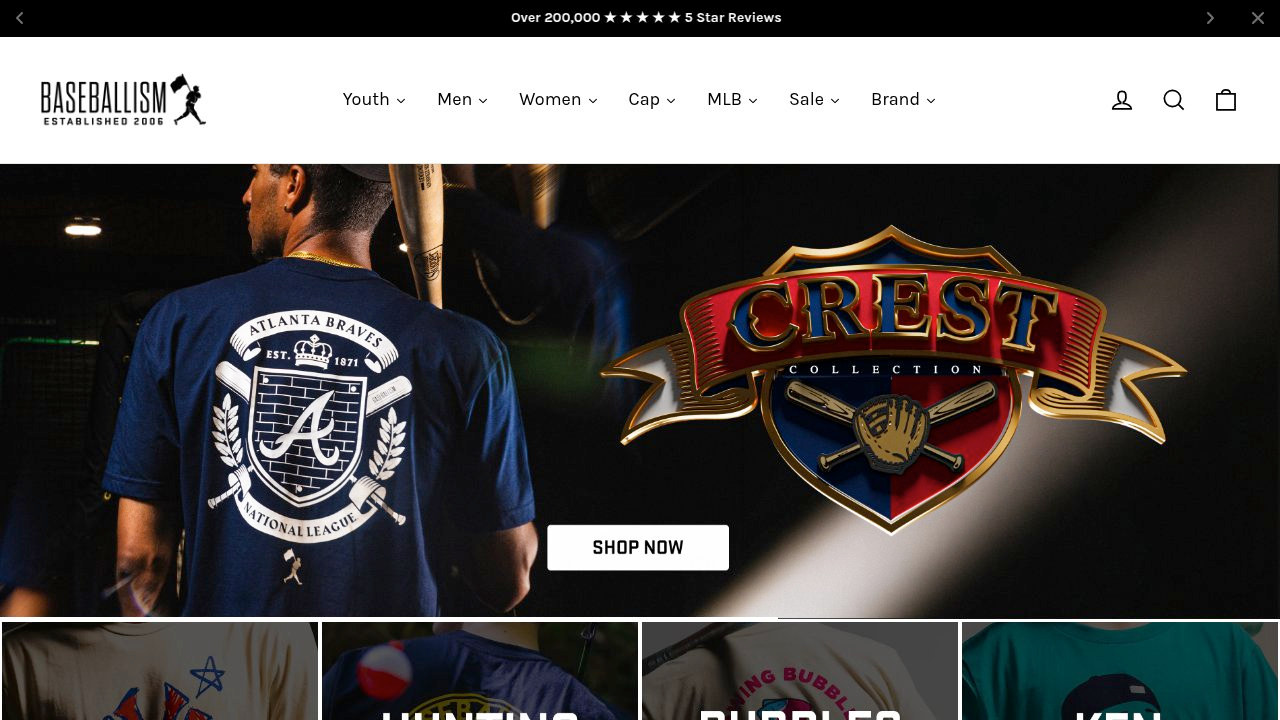
You can't sell team logos without a license, but you can sell the culture around a sport, and that's the trending angle in 2026. "Off-the-field" lifestyle brands sell to players, parents and fans through humor, nostalgia and identity rather than franchise marks. Baseball has the deepest cluster in our index, and the same playbook works for any sport.
Baseballism has been building "apparel built for ballplayers and worn by all" since 2006, with themed drops, glove-leather goods, nine-plus physical stores and a Shopify storefront rated 4.9/5 from more than 10,000 reviews. RotoWear screen-prints pun-driven baseball tees (Autobats, Smells Like Seam Spirit) to order and is popular with MLB players and fantasy managers. Baseball Lifestyle 101 grew out of an Instagram account in 2013 into a dugout-culture apparel label, and Prewar Prints sells limited-edition vintage baseball art by monthly subscription.
Products that work: tees, hats and hoodies; vintage-style prints for the collector segment.
Borrow this: Prewar Prints' subscription model. A monthly collectible print turns a one-time poster buyer into recurring revenue.
Browse baseball stores → · Browse sports stores →
9. Pop culture and trend-reactive drops
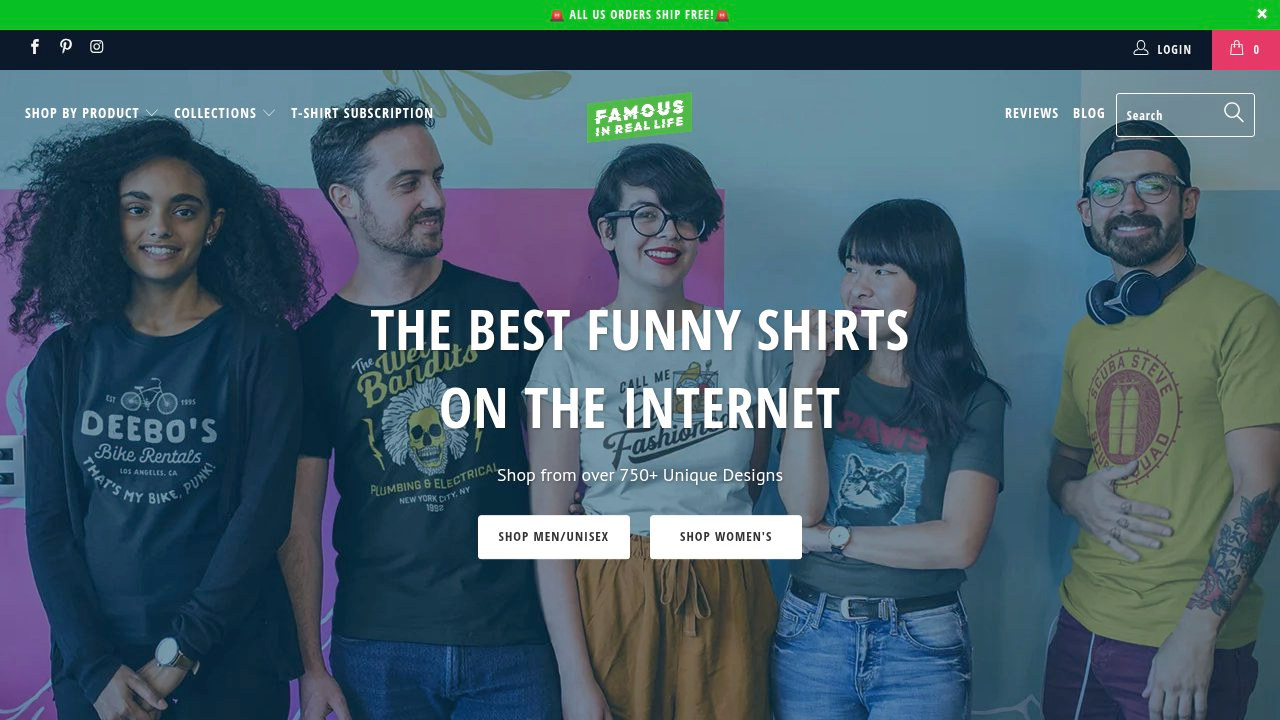
This is the most "trending" niche on the list in the literal sense: stores that design around what's happening on TikTok this week. Speed is the whole business model. The 2026 version is organic-first, with TikTok driving discovery and Etsy or Shopify handling checkout, and no paid ads at all.
La Moda Merch, an Etsy shop by Diana True Knox fulfilled through Printify, went viral on TikTok and was built entirely on organic social media. Famous in Real Life takes the breadth approach instead, with 750-plus graphic tee designs spanning movies, TV, food, science and sports, plus a mystery-tee mechanic and a t-shirt subscription. Dumbclub shows the creator-to-brand path: a TikTok street-trivia channel that became a pastel hoodie brand on Printify.
Products that work: tees and sweatshirts you can launch in a day. Keep designs original and avoid trademarked names, logos and likenesses; trend-reactive does not mean copying.
Borrow this: La Moda Merch's Etsy-plus-TikTok flywheel. A short video of the product is the ad, and the Etsy listing is the landing page.
10. Retro and vintage Americana
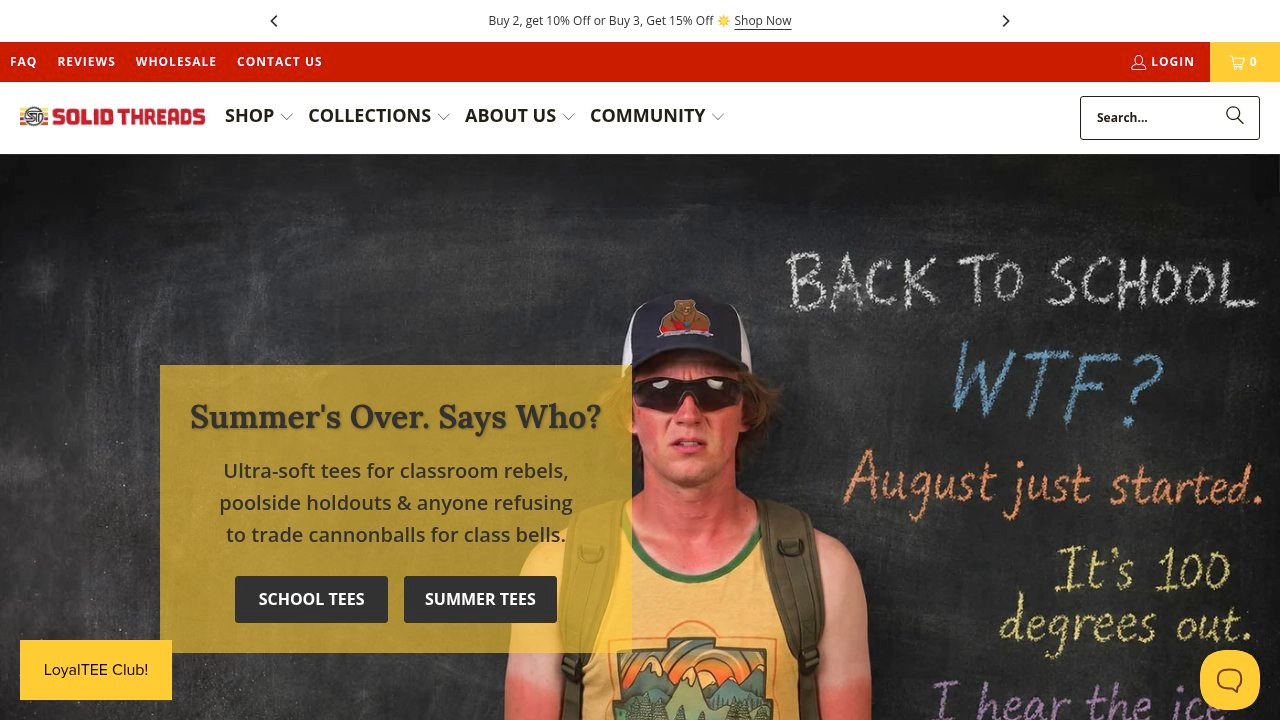
Nostalgia is one of the strongest design drivers of 2026, with Y2K and retro aesthetics gaining ground among Gen Z and Millennial buyers. In print on demand that translates to distressed textures, old-school typography, faded palettes and "established 19XX" layouts, and it overlaps neatly with outdoor, fishing, farming and small-town pride niches.
Solid Threads has made humor-forward vintage graphic tees since the late 1990s, now with 50,000-plus customers, a One Tee = One Tree planting mechanic, a 100-day return guarantee and a navigation taxonomy that sorts designs by theme, recipient, occasion, holiday and location. T-Shirt Bucket applies the same look to fishing, farming and Americana graphics on a lean Printful store, and Charlie Hustle built a Kansas City heritage brand on vintage regional graphics.
Products that work: heavyweight and garment-dyed tees, trucker hats, crewnecks, and prints with a sepia or faded palette.
Borrow this: Solid Threads' recipient and occasion navigation. Letting gift buyers shop "for Dad" or "for retirement" converts better than product categories ever will.
Browse vintage stores → · Browse retro stores →
11. Cultural identity and heritage
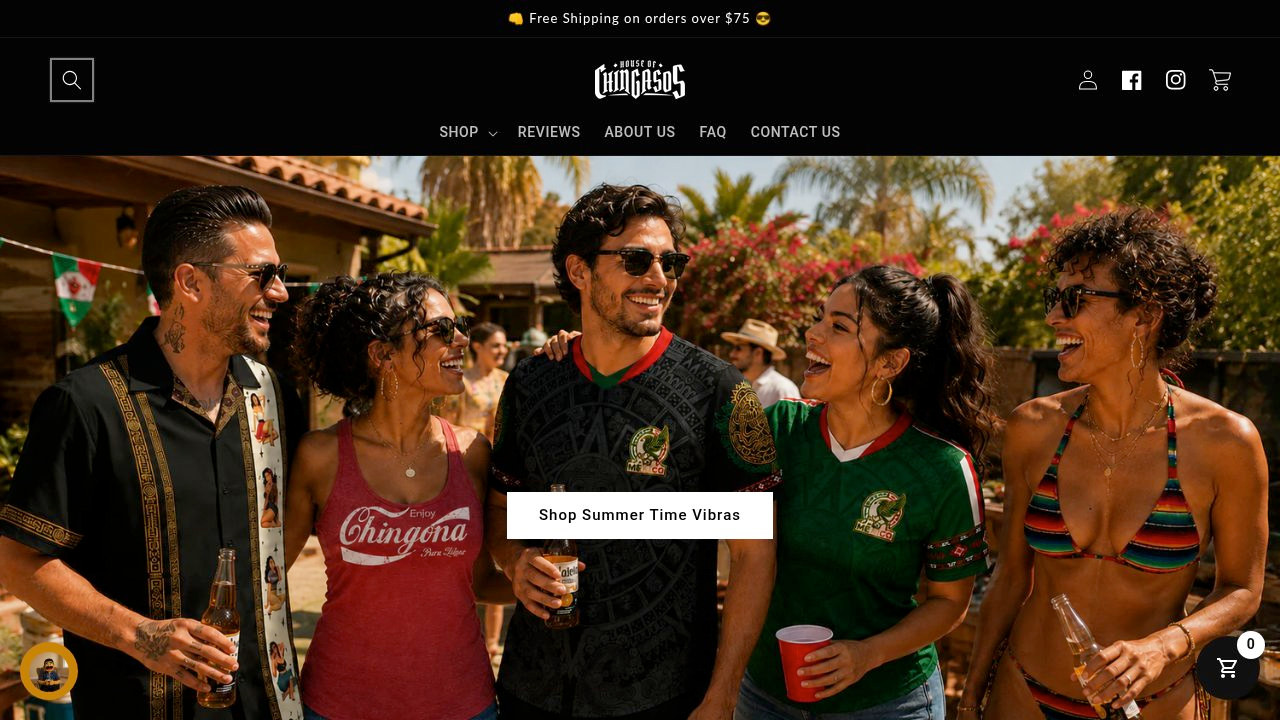
Some of the fastest-growing brands in our directory serve a cultural community that mainstream retail ignores. The buyers are under-served, fiercely loyal, and share the products within their own networks. In 2026 this is one of the best niches for a founder who belongs to the community they're designing for.
House of Chingasos sells bold Latino and Chicano humor apparel on Printful and Printify, organized into holiday, gender and theme collections with seasonal drops. Afro Unicorn, founded by April Showers to celebrate women and children of color, started as a POD shop on Printify and became the first Black woman-owned licensed character brand sold at Walmart. Shadawear celebrates African and diaspora culture through musician Kaysha's community-driven apparel on Printful, and Malaysia's Pestle & Mortar Clothing has turned Southeast Asian identity into a storytelling streetwear label since 2010.
Products that work: tees, hoodies and caps, with in-language wordplay and culturally specific holidays as the design calendar.
Borrow this: House of Chingasos' collection structure. Sorting by holiday and theme gives a cultural brand a reason to launch something new every month.
Browse culture apparel stores → · Browse Chicano stores →
12. Kids and family
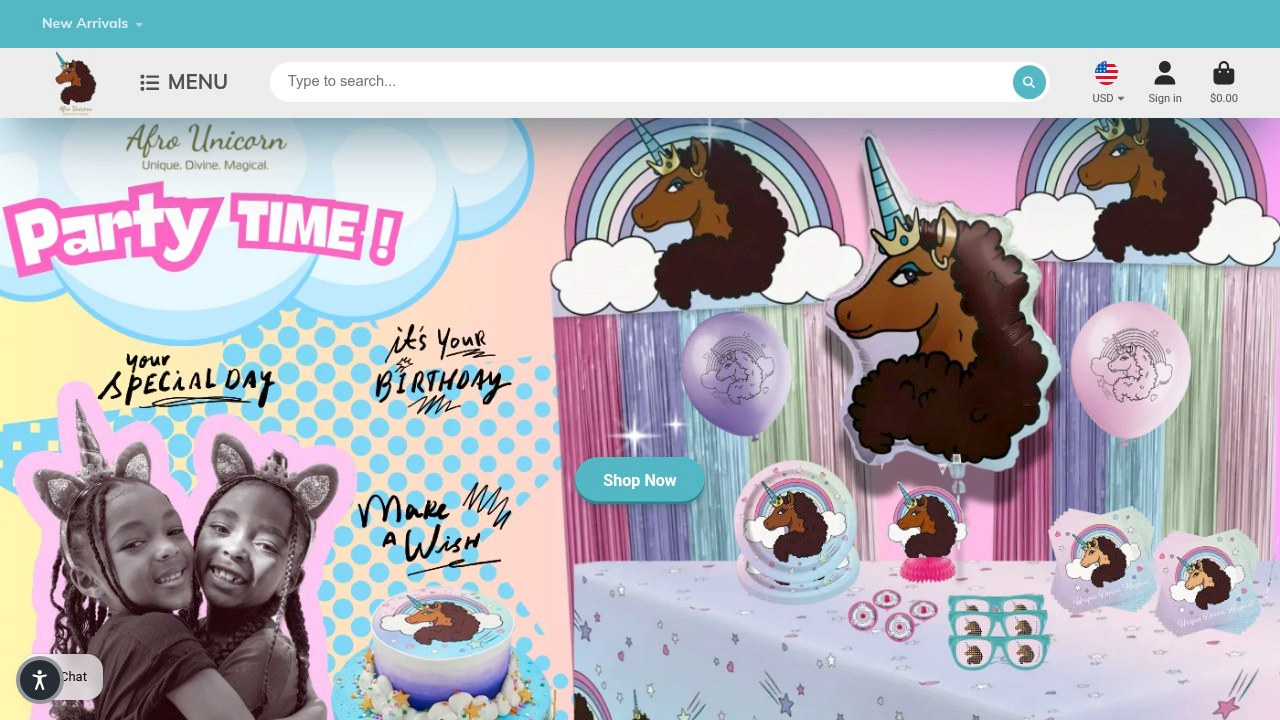
Kids' products trend every year for a structural reason: children outgrow clothes, so parents buy on a schedule, and grandparents buy for occasions. The 2026 angle is all-over print and character-led design rather than front-chest graphics, and it pairs naturally with organic fabrics.
Afro Unicorn (again) is the best-case outcome, moving from POD tees to bedding, toys and retail shelves. In Europe, Duns Sweden has sold bold, gender-neutral all-over prints of radishes, dandelions and animals on GOTS organic cotton since 2007, and Germany's Walkiddy hand-draws nature prints and digitally prints story-led seasonal collections. OMY in Paris built a family brand on XXL giant coloring posters and stickers.
Products that work: kids' tees and leggings, onesies, blankets, posters and coloring products. Matching parent-and-child sets are an easy upsell.
Borrow this: Duns Sweden's recognisable motifs. One instantly identifiable print family is worth more than fifty unrelated designs in a niche where parents buy the same brand for years.
Browse kids stores → · Browse childrenswear stores →
13. Eco-conscious products
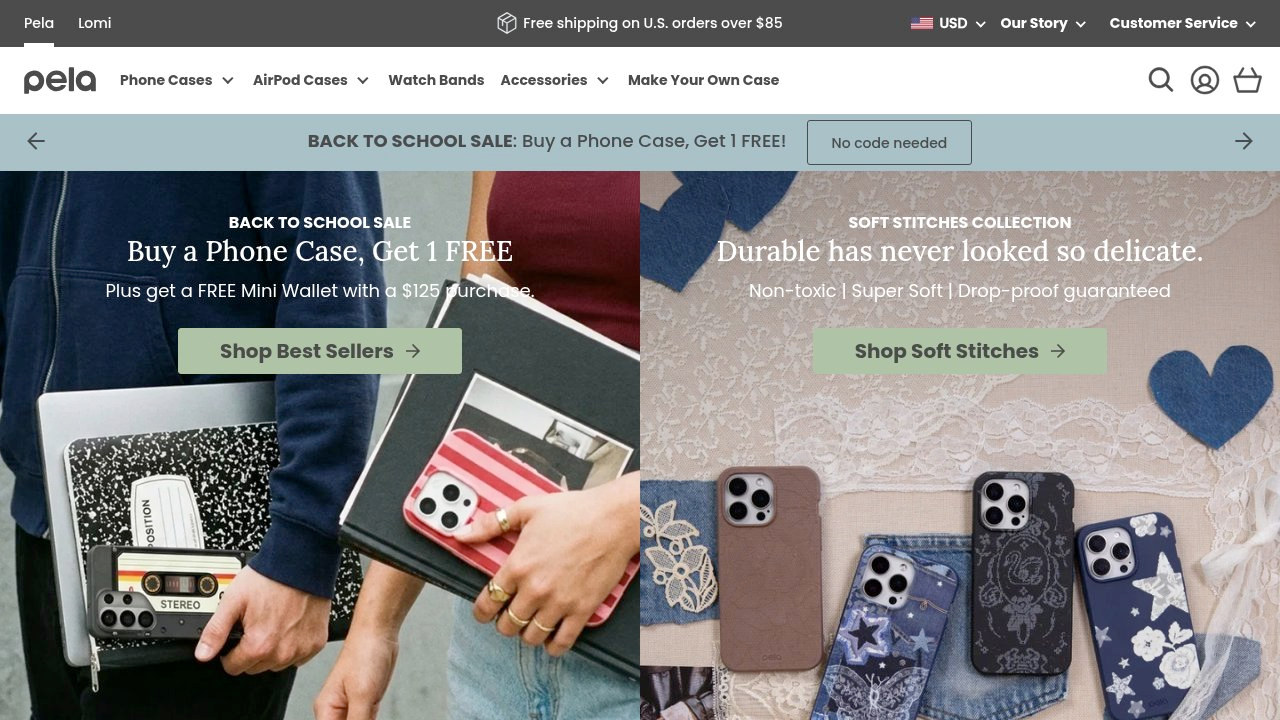
Print on demand is already lower-waste than bulk printing because nothing is made until it's ordered, and in 2026 more stores are making that the headline. PwC's 2024 consumer research, cited in Printify's trends report, found around 80% of shoppers say they'd pay more for sustainably produced goods. The niche rewards proof over slogans: certifications, materials and a take-back program.
Pela Case created the first fully compostable phone case from flax shive and plant-based biopolymer, has sold to more than 2 million customers, and runs an Artist Series collab program and a Pela 360 take-back scheme. Rapanui and the Greenpeace Shop UK both run on Teemill's print-to-order organic cotton platform, and Earth Greetings prints Australian-made, 100% recycled cards with native flora and donates 10% of profit to wildlife.
Products that work: organic cotton tees and hoodies, recycled-paper cards, tote bags and compostable phone cases.
Borrow this: Pela's impact tracker. Turning "eco-friendly" into a live number ("100M+ plastic bags prevented") is far more persuasive than a leaf icon.
Browse eco-friendly stores → · Browse sustainable apparel stores →
Niches we're watching for the rest of 2026
A few more niches didn't make the top 13 but are producing interesting stores right now. Faith and cause-led apparel is growing through nonprofit models like The Happy Givers, which sends 100% of profits to community kitchens in Puerto Rico. Coffee-roaster merch, led by Bones Coffee Company's illustrated skeleton characters, shows how packaging art becomes a catalog. Ultra-niche medical communities have a standout in StomaStoma, which uses humor to serve people with trachs, feeding tubes and ostomies. Music has Rhythm and Beat's shop-by-instrument tees on Printify, political apparel has ALLRIOT's flat-price manifesto model, and stationery keeps growing fast enough that we gave it its own roundup.
How to find your own trending niche
The 13 niches above are where the evidence is strongest today, but the best niche for you is usually a sub-niche inside one of them. Here is the process the successful stores in our index seem to follow.
Start with what you already belong to
Almost every store in this article was founded by an insider: a snowboarder who roasts coffee, a musician who designs for the diaspora, a trans designer making Pride apparel, a mom building a brand for girls who look like her daughter. Insiders know the in-jokes, the holidays and the words that matter, and that knowledge is the hardest thing for a competitor to copy.
Find the angle nobody is serving
Pick a broad niche from the list, then look for the gap. Badminton players had no stylish apparel while tennis and golf did, so Birdie Club launched in 2025 to fix that. Medically complex families had no brand that used humor, so StomaStoma built one. The question to ask is not "is there demand for pet products?" but "which pet owners feel ignored?"
Check the indicators of a live niche
Three signals are worth more than any keyword tool. First, active communities: subreddits, Facebook groups, Discord servers and TikTok hashtags where people already talk in the niche's language. Second, gift occasions: niches with built-in holidays, milestones or seasons get a sales spike you don't have to manufacture. Third, existing stores that are expanding their catalog, which tells you repeat buyers exist. The BestPODStores directory lets you filter by niche and see exactly that.
Study the competition, then differentiate on voice
For each store you find, note what they sell, who they're clearly talking to, what their best-selling collection is, and what they don't offer. Then decide what your version does differently: a stronger point of view, a product the others skipped, a cause, a mascot or a community program. Most trending niches have room for one more brand with a distinct voice; none have room for another copy.
What are the most profitable print-on-demand niches?
Profit in print on demand depends less on the niche than on three things: how much a buyer will pay above the base cost, how often they come back, and how cheaply you can reach them. By those measures, the most profitable niches on this list are identity niches with strong communities (pets, Pride, cultural identity, fandom), because buyers pay a premium for belonging and share the products for free. Wall art and posters win on margin per order. Humor wins on cost to produce. The least profitable approach, in every niche, is generic designs aimed at everyone.
Frequently asked questions
What is a print-on-demand niche?
A print-on-demand niche is the specific audience, interest or identity your store is built around, such as dog parents, anime fans or hikers. You design for that group across many products rather than selling one product type to everyone.
Which POD niche is best for beginners in 2026?
Humor, pets and outdoor lifestyle are the most forgiving starting points because demand is deep, designs can be text-led, and there are plenty of live stores to learn from. See our beginner's niche guide for more options.
Are trending niches too competitive?
Broad niches are competitive; sub-niches usually aren't. "Dog lover" is crowded, but "corgi owners who hike" is wide open. The trick is to pick a trending category and then narrow it to an audience you actually belong to.
Can I sell pop culture or fandom designs legally?
Only if the designs are original. Character names, logos, likenesses and quotes are usually protected by trademark or copyright. The fandom stores in our index either create their own characters or hold official licenses.
Should I start on Etsy or Shopify?
Several stores here, including La Moda Merch and FerrisBuilt, started on Etsy with Printify and used its built-in traffic to validate the niche. Most of the larger brands in the directory run on Shopify. Etsy is where you test; Shopify is where you build.
How do I know if a niche is still trending next year?
Watch whether the stores in it keep adding products and whether new stores keep appearing. A niche with growing catalogs and new entrants is healthy; one where stores are shrinking to a single product type is cooling off.
Browse more print-on-demand stores
Every store in this article has a profile in the BestPODStores index with its niche, products, platform, fulfillment method and the ideas worth borrowing. Explore the full POD store directory to filter by niche, products, platform and fulfillment, and find the trending niche that fits you.
Keep reading
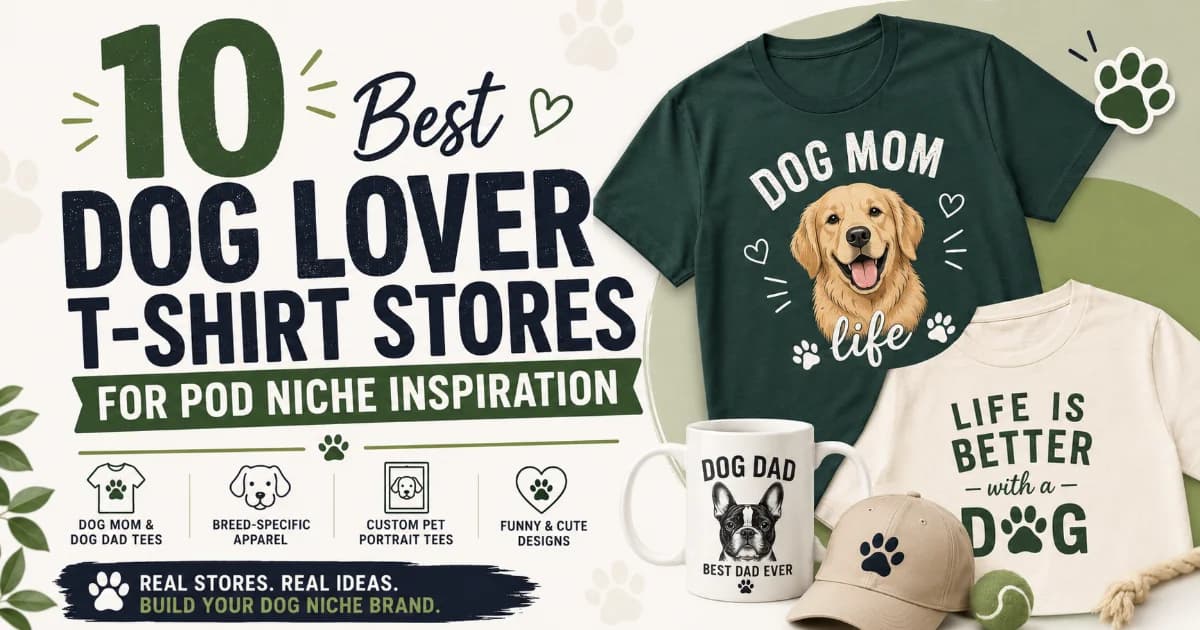
10 Best Dog Lover T-Shirt Stores for POD Niche Inspiration
Explore 10 dog lover t-shirt stores and dog niche POD-style brands for inspiration, including dog mom shirts, breed-specific apparel, custom pet portrait tees, and dog lover gifts.
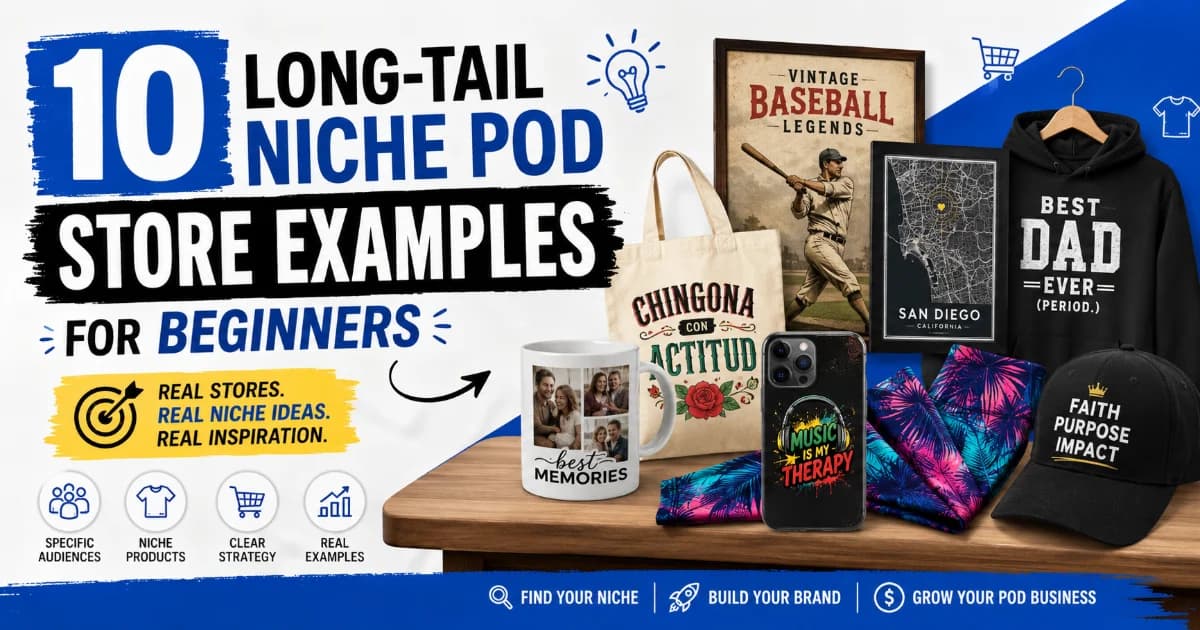
10 Long-Tail Niche POD Store Examples for Beginners
Explore 10 long-tail niche POD store examples for beginners, including vintage sports prints, custom map art, dad humor apparel, personalized photo gifts, cultural fashion, activewear, and mission-driven merch.